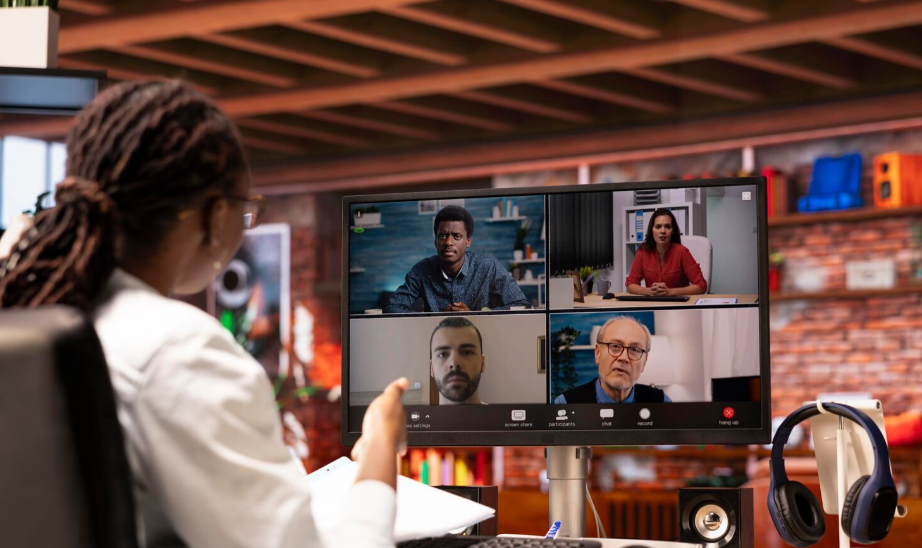
A business finds the right person in South Africa. The work can be done remotely, the skills are a match, and what’s left is a practical question: how should this person actually be employed? A foreign employer doesn’t necessarily need its own South African entity to bring someone on. It depends on how the employment is structured and who ends up responsible for the local obligations that come with it. One option that handles this is an Employer of Record in South Africa, which is usually the piece missing once the right candidate has already been found.
Why Companies Around the World Hire South African Professionals
A few recurring reasons come up when overseas employers go looking for skilled professionals in South Africa, and none of them have much to do with payroll.
- Skilled English-speaking workforce: English is commonly used in South African professional settings, which reduces the communication friction that can otherwise slow down international teams working across time zones and cultures.
- Competitive hiring costs: Remuneration for comparable roles in South Africa is generally lower than in markets such as the US or UK, which is part of why global companies hiring South African talent can access strong candidates without a US or UK-sized budget. The actual gap depends heavily on the role, seniority, and industry, so it’s worth benchmarking specific positions rather than assuming a fixed discount.
- Strong remote work capabilities: South Africa’s remote workforce is already familiar with distributed setups and standard collaboration tools, and the country offers genuinely useful time-zone overlap with the UK and much of Europe. Overlap with US teams is more partial and depends on which coast and working hours are involved.
Finding the candidate is only one part of this. The next question is how they’ll actually be employed and paid.
Challenges of Hiring Employees in South Africa Directly
Wanting to hire employees in South Africa and being ready to do it directly are two different things, and that gap is usually where things stall.
- Registering a local business entity: Setting up a local entity is one way to employ someone directly, but it comes with incorporation and registration requirements that can create disproportionate administrative work for an employer starting with just one or two hires.
- Understanding employment regulations: South African employment contracts follow their own rules on working hours, statutory leave, and termination, and getting these details wrong create risk that has nothing to do with whether the hire itself was the right call.
- Managing payroll and compliance: Ongoing obligations include PAYE, UIF, SDL where applicable, and regular reporting, all of which need to stay accurate and on time regardless of team size.
None of this means South African talent isn’t worth pursuing. It’s why so many overseas employers look at alternatives to setting up their own entity before making that first hire.
How an Employer of Record Simplifies International Hiring
An EOR splits the employment relationship into two parts. The overseas business continues directing the person’s actual work, while the EOR takes on the role of local legal employer for the obligations covered by the arrangement.
- Legal employment management: The EOR issues the local employment contract, runs onboarding, and manages the employer-side documentation that direct employment would otherwise require.
- Payroll and tax compliance: Salary processing, statutory deductions, employer contributions, and reporting run through the EOR’s existing local structure, so the client company isn’t left needing payroll expertise of its own to hire compliantly in South Africa.
- Employee benefits administration: The EOR sets up whatever benefits are agreed, processes employer contributions where relevant, supports enrollment, and reflects the correct deductions through payroll each month.
For a company that wants to hire South African employees without setting up its own local operation, this is what makes it possible. It doesn’t remove every question a business might eventually face as it grows a presence in the country, but for the hires it covers, it takes the entity requirement off the table while day-to-day management stays exactly where it already was.
Building a Successful Remote Team in South Africa
Getting the employment side sorted is only half the job. The other half is making the working relationship hold up once the contract is signed.
- Hiring the right talent: Technical skill is the obvious filter, but comfort working independently and clarity about expectations tend to matter just as much once remote hiring is actually underway.
- Managing international teams: Regular check-ins, clear reporting lines, and communication habits that account for the time difference between South Africa and the employer’s home market keep a distributed team running the way an in-office one would.
- Scaling employees as business needs grow: What works for one hire won’t necessarily suit ten, and revisiting the employment setup as a team grows isn’t a sign the original choice was wrong. It’s a normal part of scaling a remote workforce.
Picking the right structure comes down to current headcount, the type of roles involved, and where the team is likely headed. DNA EOR takes on the legal employment, payroll, and compliance side of that arrangement, which is what lets the business itself stay focused on the work rather than the administration behind it.
FAQs
Can a foreign company hire employees in South Africa without opening a company?
Yes, through an Employer of Record. The EOR becomes the legal employer while the overseas company still manages the person’s actual work.
How does an Employer of Record work in South Africa?
The EOR handles the contract paperwork, the payroll runs, the tax filings, and the compliance tasks that are required. The client continues to manage the day to day work and check how each person is doing.
Why do global companies hire remote employees from South Africa?
Skilled English-speaking talent, useful overlap with UK and European hours, and often lower hiring costs than the US or UK.
How long does it take to hire employees through an EOR?
It depends on documentation, agreed terms, and onboarding for that specific role. There’s no single fixed timeline.
Does DNA EOR handle payroll and compliance for international companies?
DNA EOR runs payroll in South Africa for international employers. It also handles tax duties and required legal filings, This lets the employer meet local rules without extra effort.